Why I keep painting
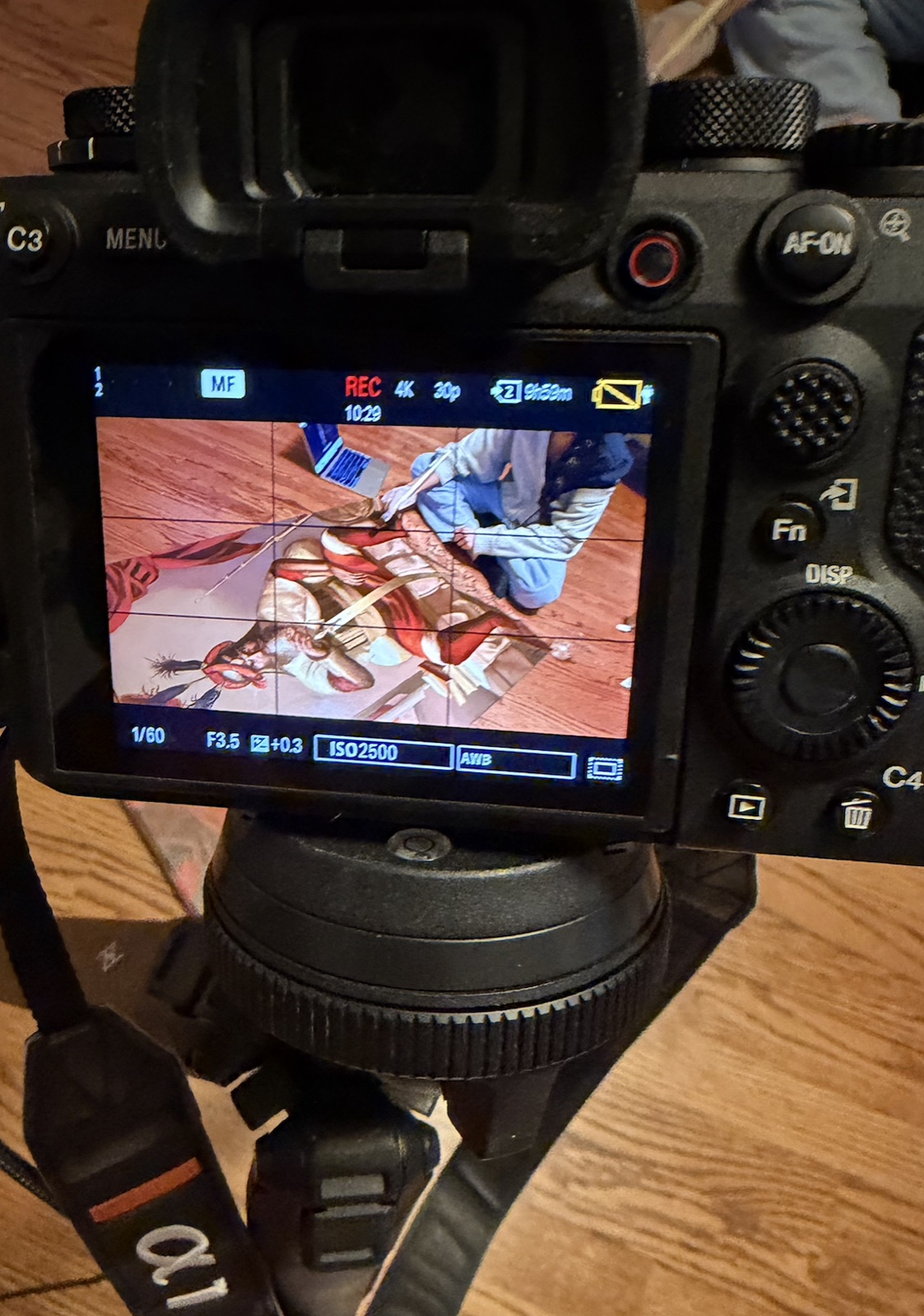
The physicality of oil paint is my reckoning with space and time: the distance between Panjab — a homeland over which my community has lost control — and Boston, my place of converse, creates a loss in meaning that words alone can't atone for. Painting is how I recover these meanings lost to that unbridged distance. So, themes that give way to silenced conversation — 1984, disappearance, a country's refusal to let its people govern themselves — repeatedly surface in my work. I am very conscious of the passage of time, and of how much of this history was never allowed to become memory in the first place, only silence. These sentiments with deep and ineffable meaning are given voice by my brush strokes.
Every people with a great history has had painters insisting on it. Sikhs deserve that too.
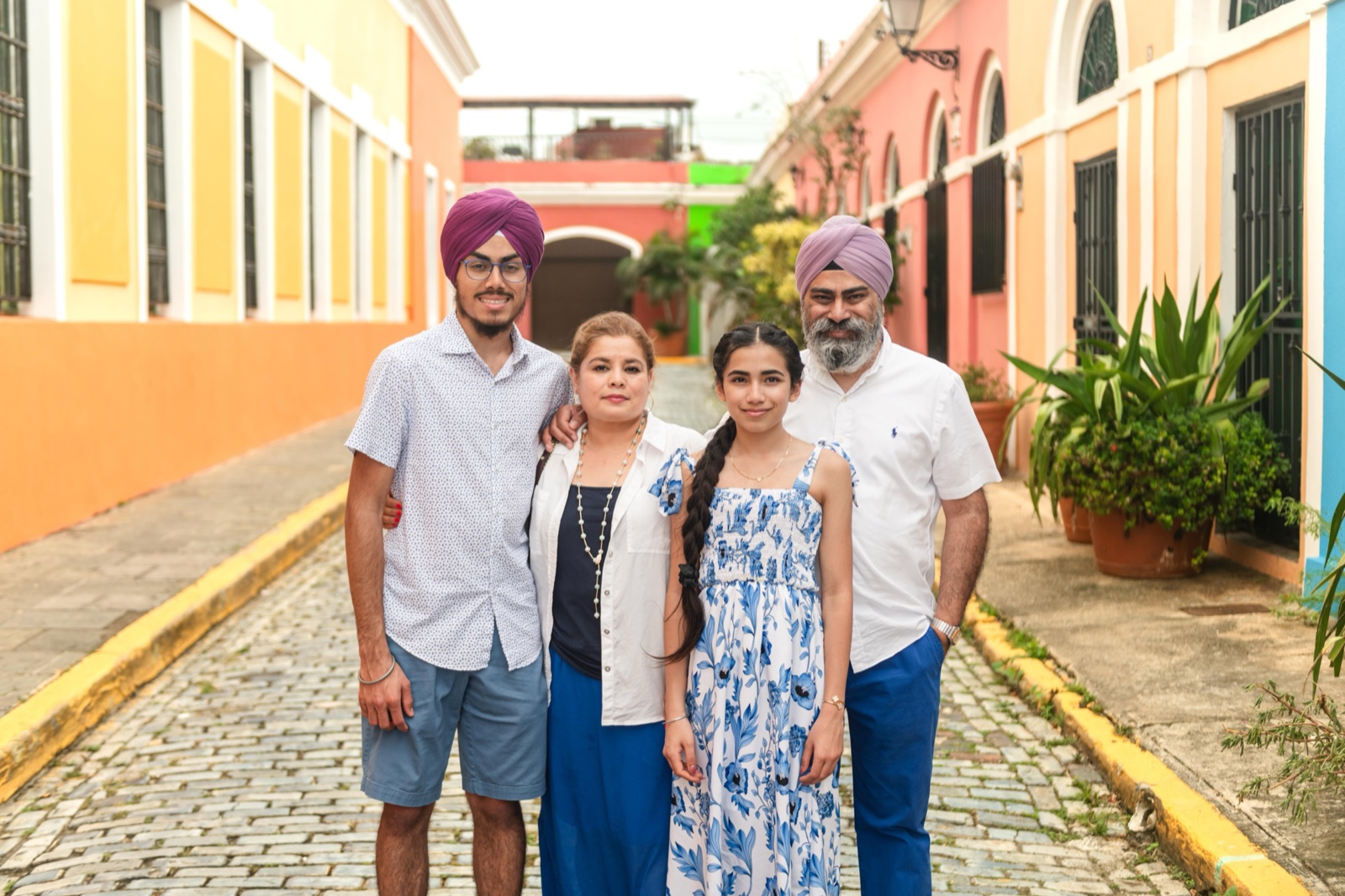
My family has had the biggest influence on my journey as an artist. My father pushed me to paint at a professional level, and his belief in me has never wavered. My mother is an amazing artist herself — she doesn't do it professionally, but I owe her my interest in art and whatever talent I have. And I have one older brother who has shaped my perspective on Sikhi and on life in general. He is my role model.
Painting for Seniors
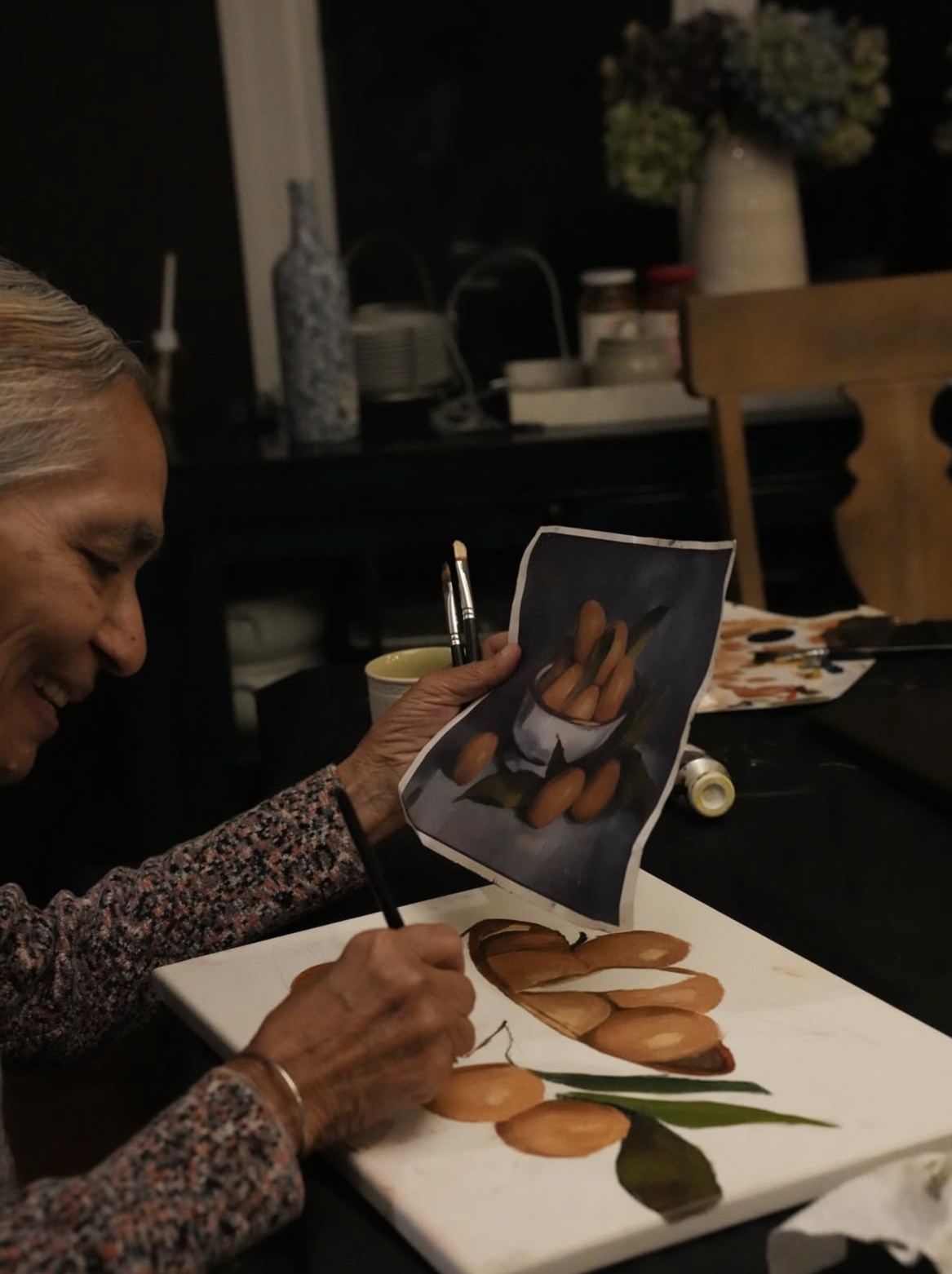
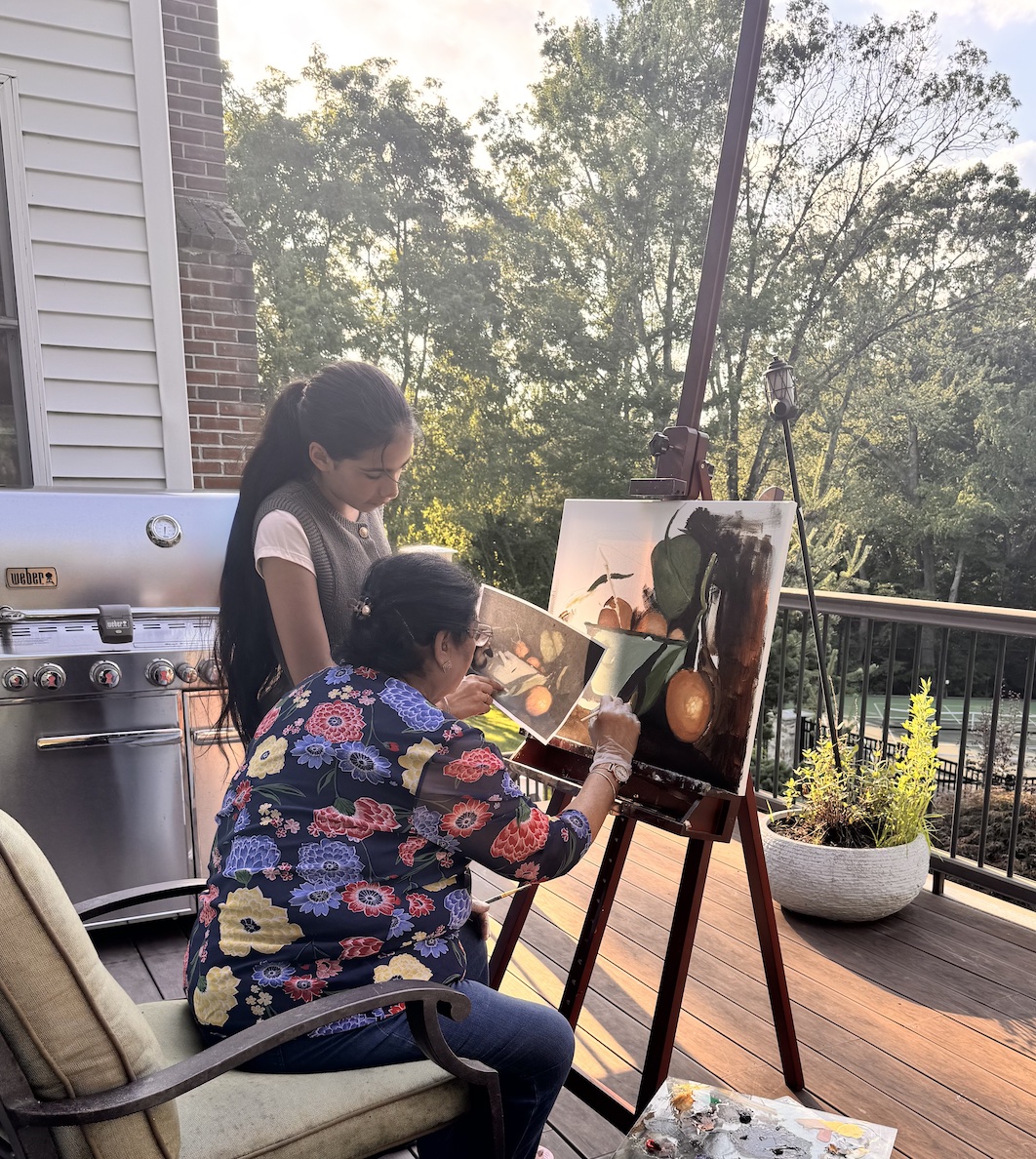
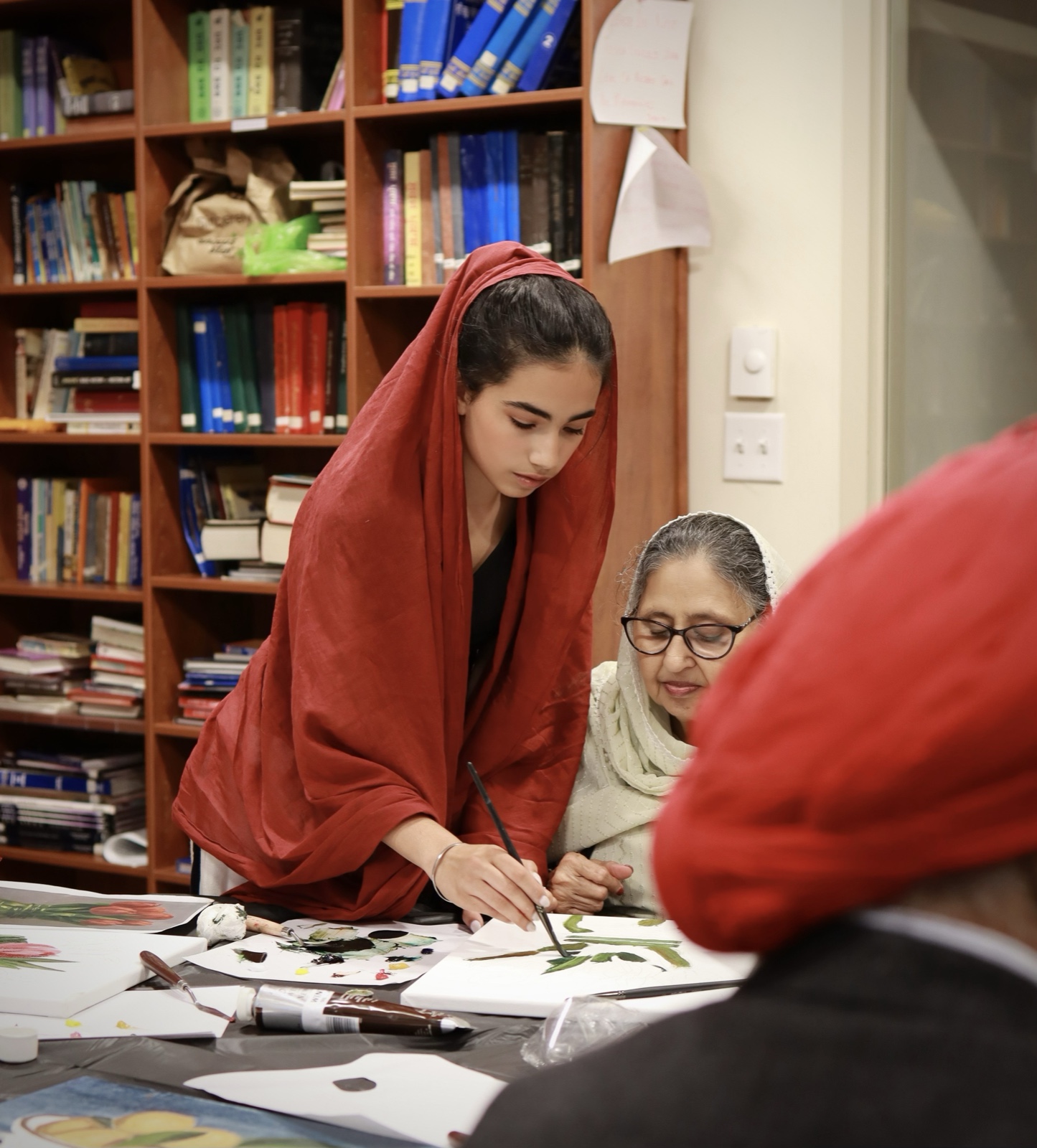
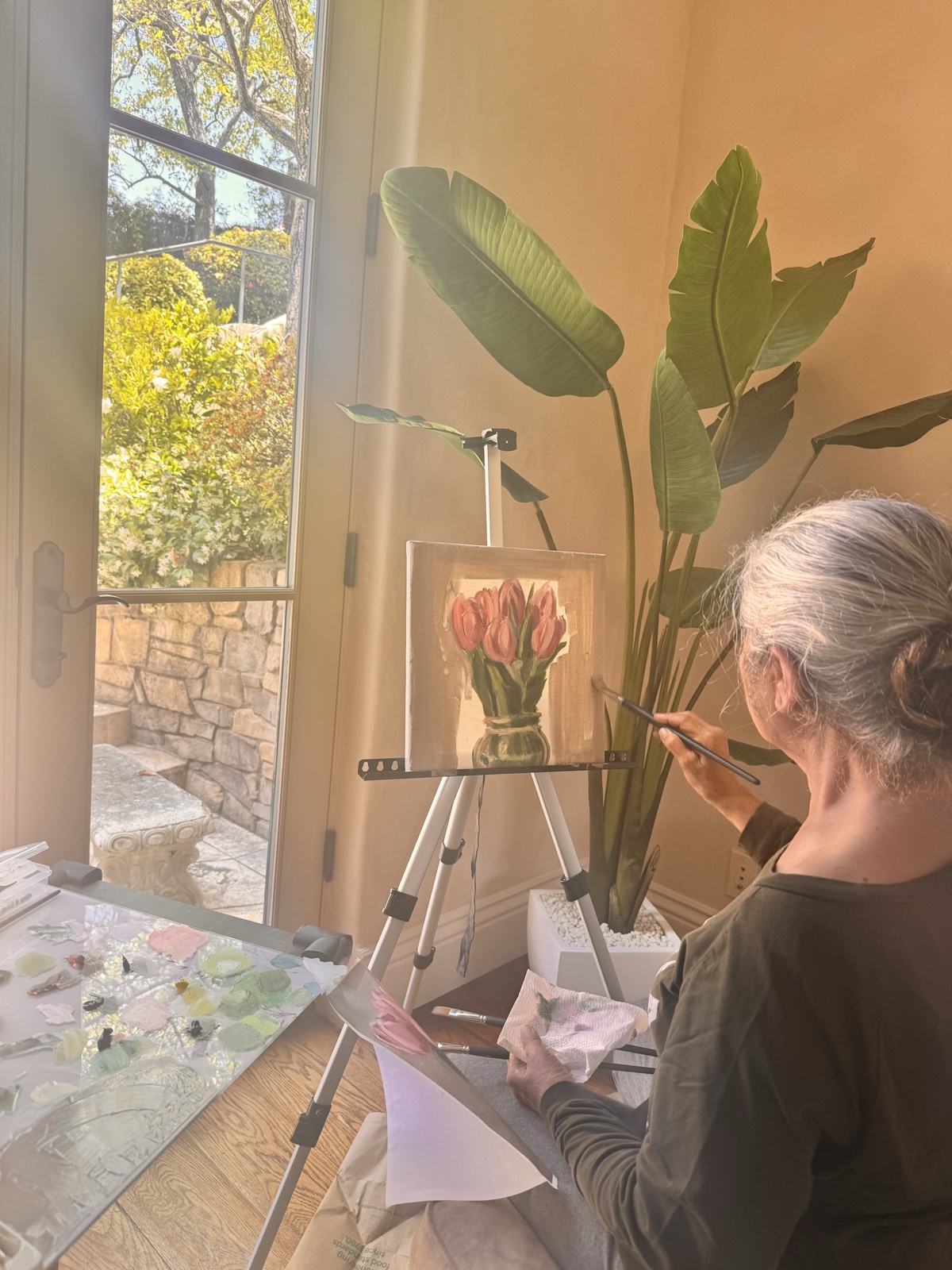
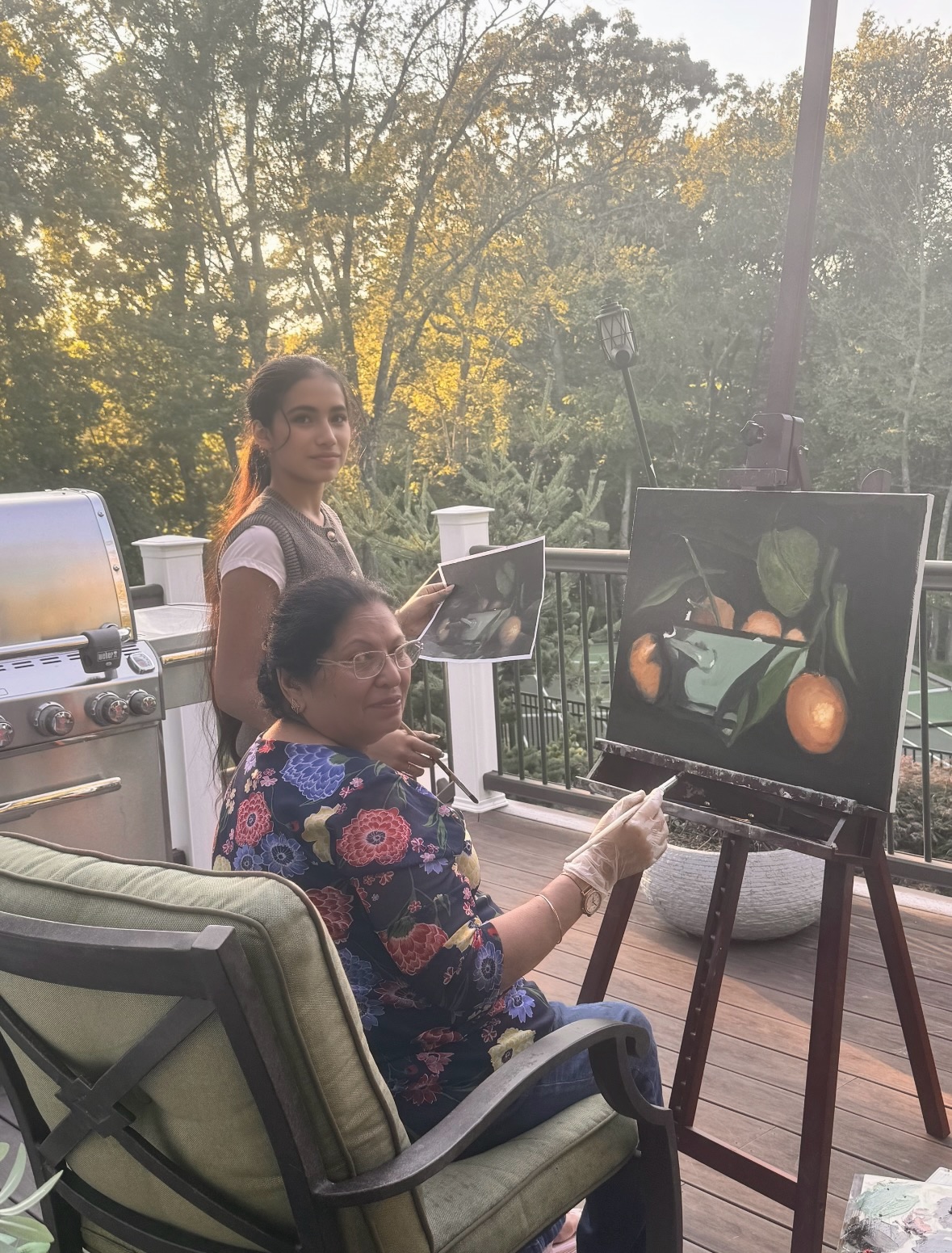
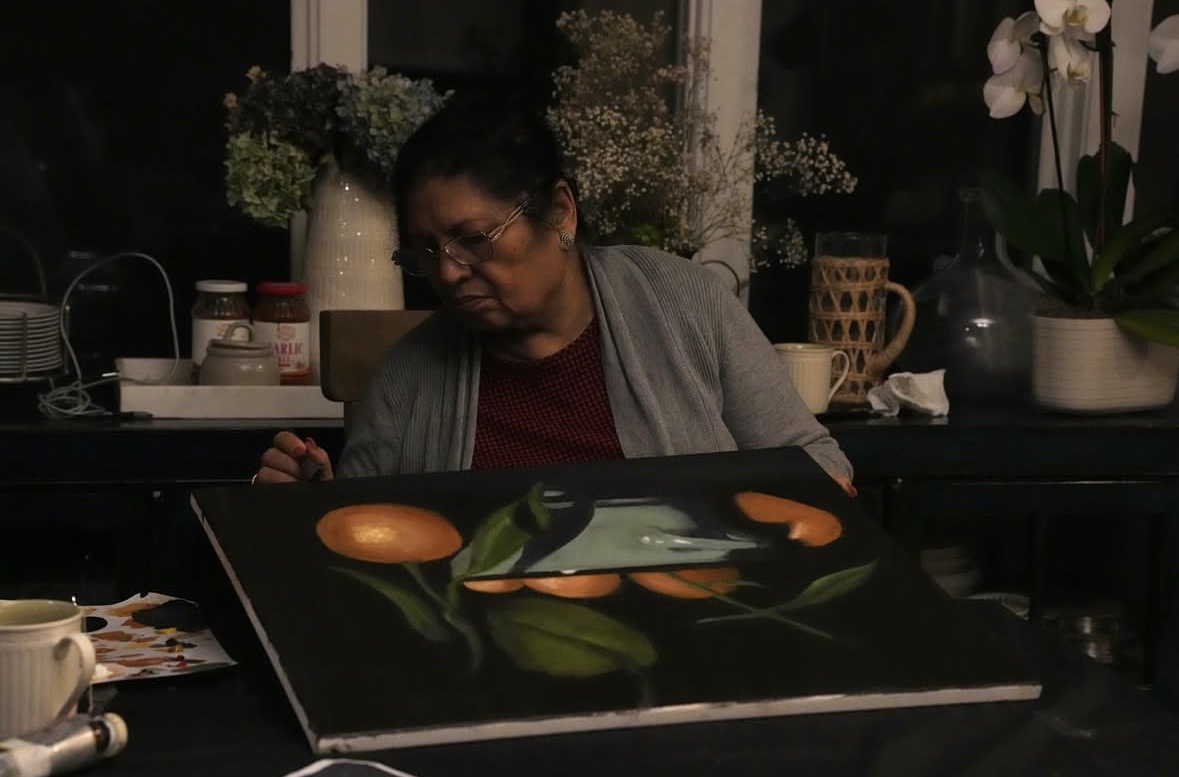
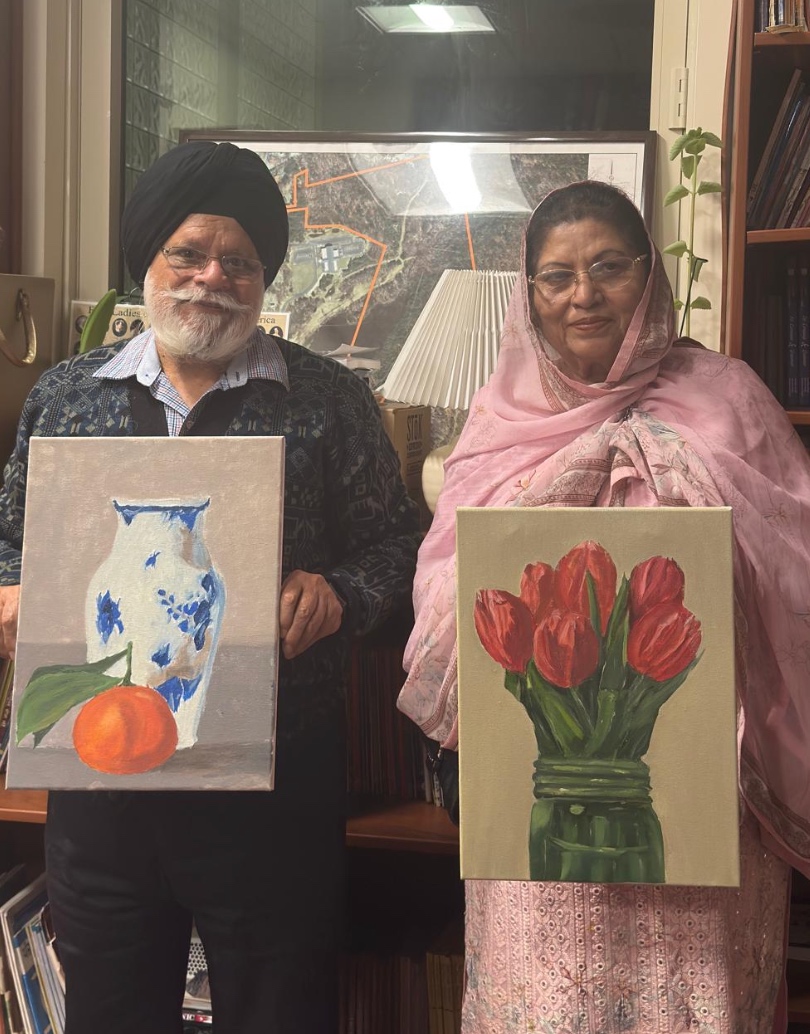
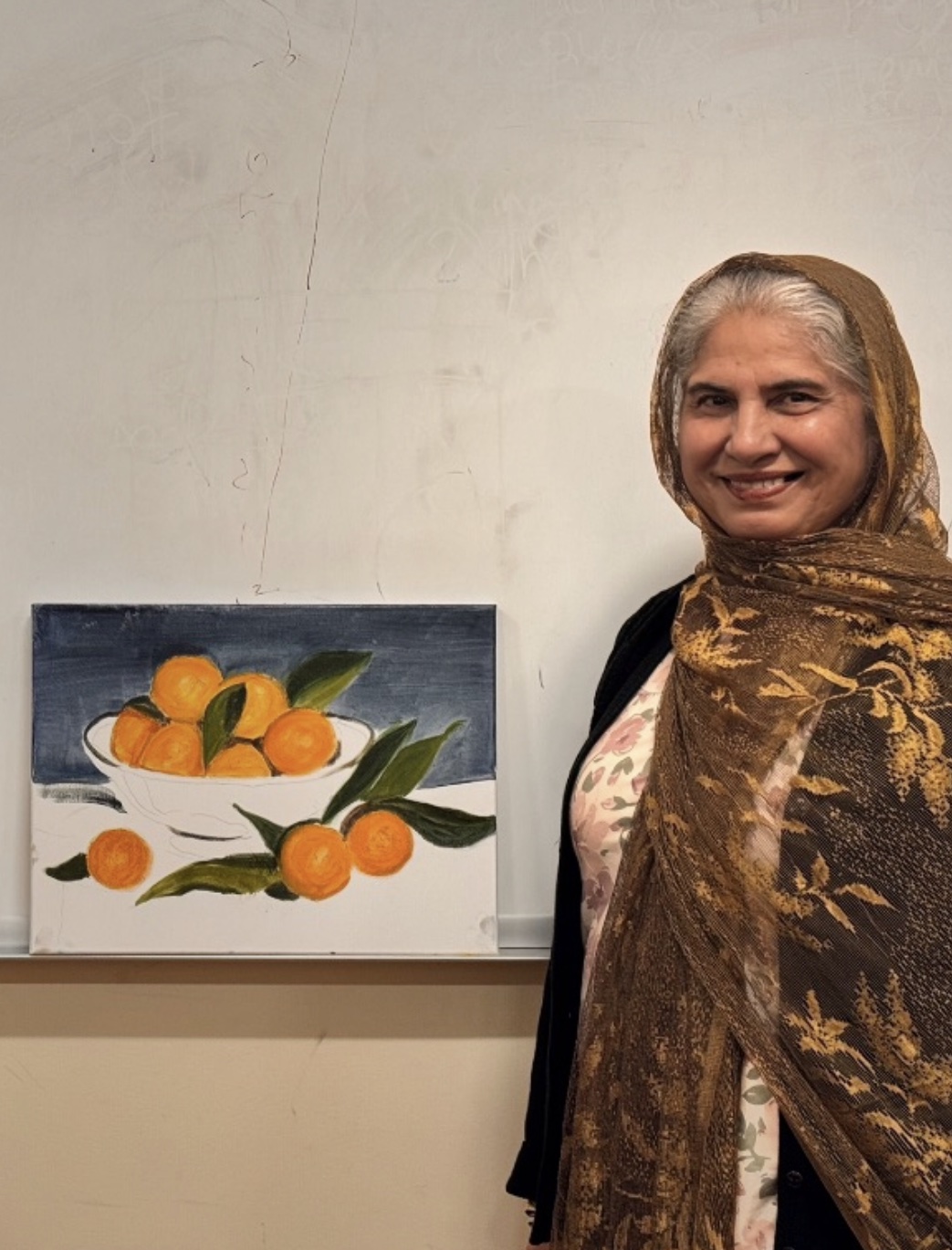
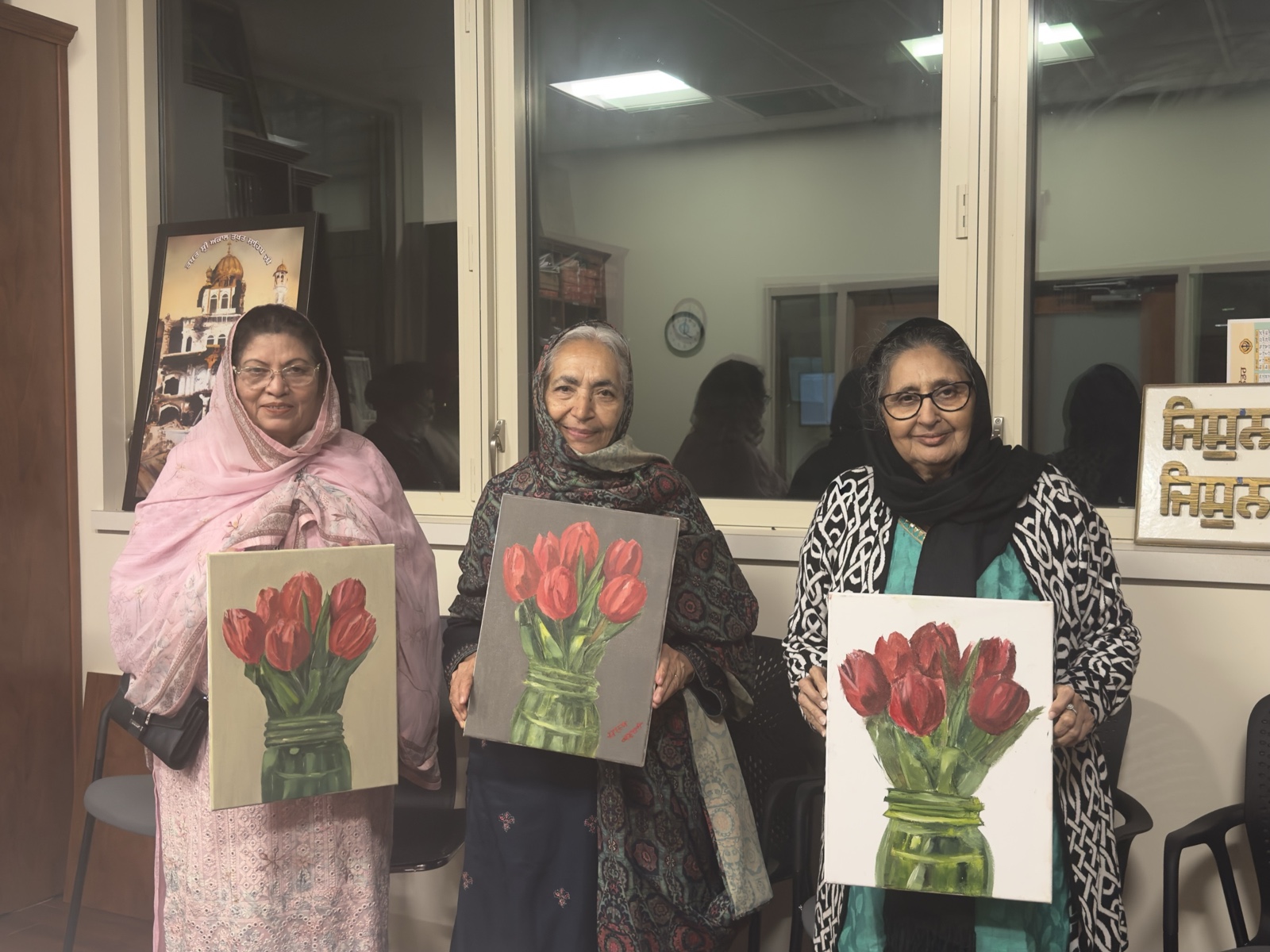
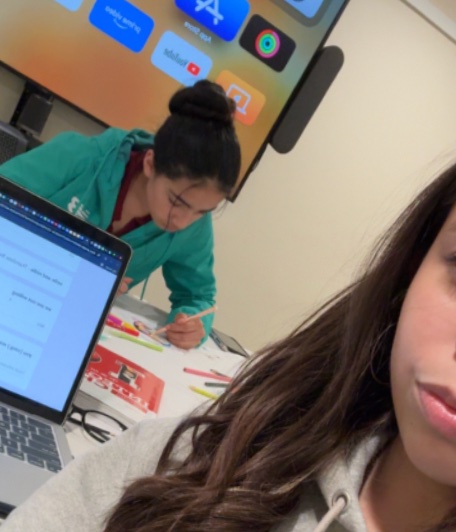
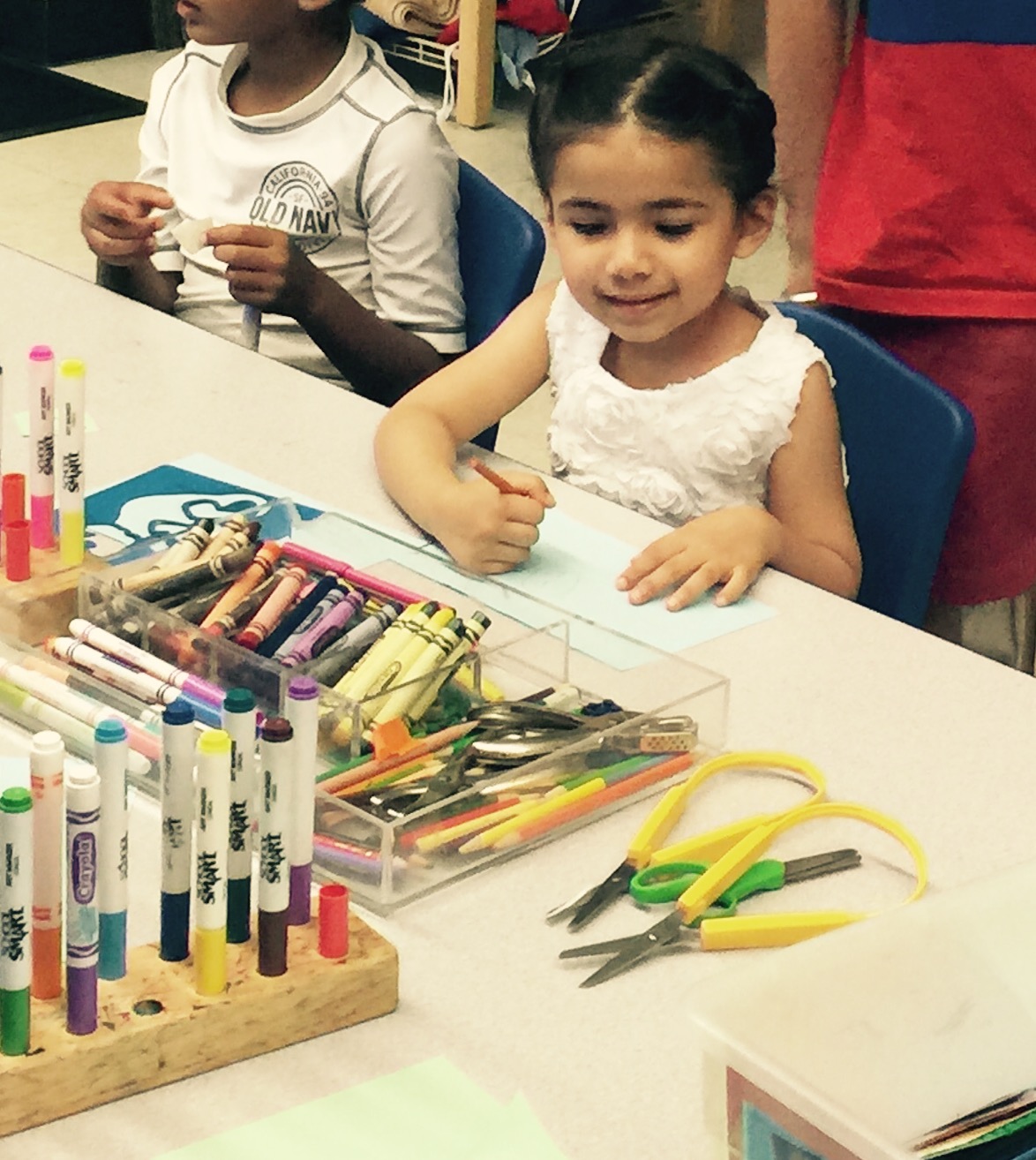
For a while, I ran painting classes for the older people in my community, most of whom had never held a brush. I wanted to target this age group because I had seen firsthand with my own grandparents how lonely old age can be. And in desi culture especially, artistic talents are not fostered or encouraged in the youth, so most of these elders had spent a whole lifetime never being asked what they could make. I wanted to give them something to pour themselves into. Watching them realize, at seventy, that they were artists has been one of my most fulfilling moments.